Skip Hire in Hammersmith for domestic and commercial clearances
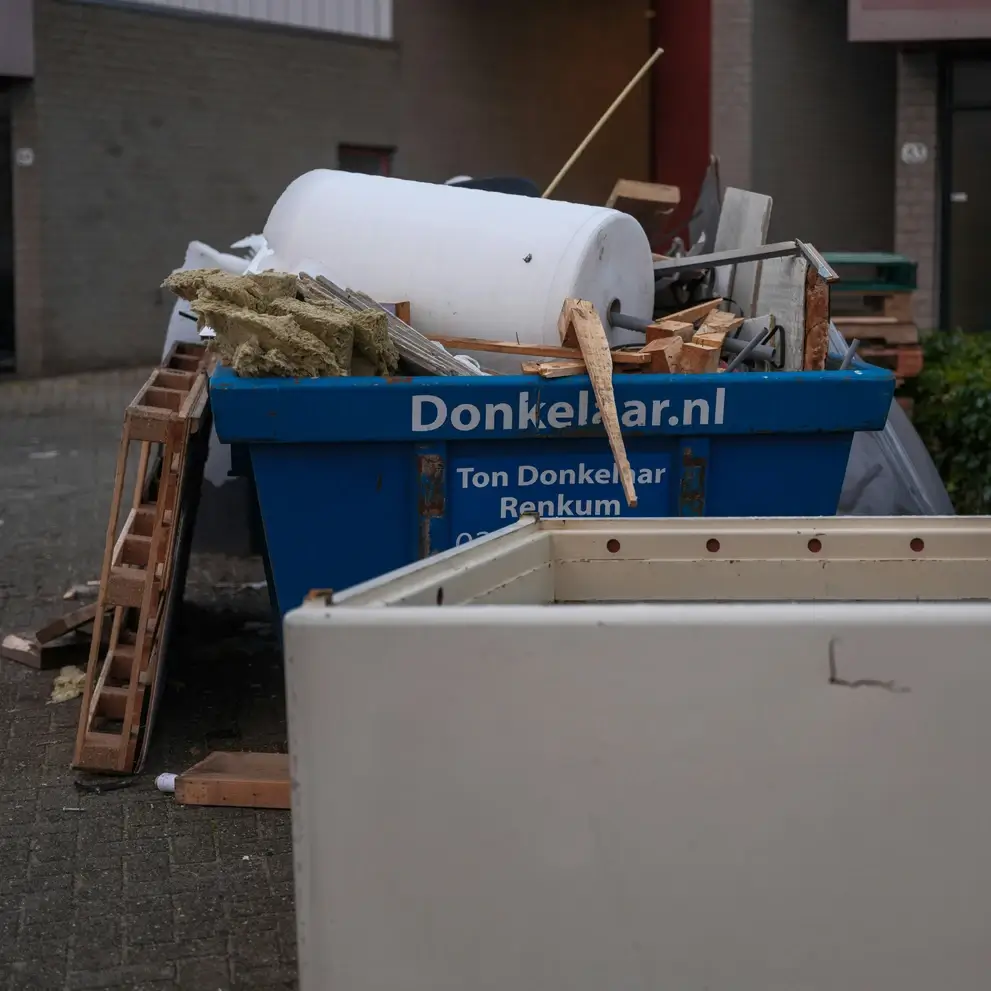
Skip hire in Hammersmith is a practical way to manage waste from home clear-outs, refurbishment work and ongoing commercial jobs when you need a controlled container on site. We provide a straightforward skip-hire service for mixed non-hazardous waste, helping customers choose a suitable skip size and plan the collection around access, loading and available space. The focus is on making disposal simpler without overcomplicating the process, so the right container is supplied for the job at hand.
If you are dealing with a kitchen update, a garden overhaul or a building phase that produces bulky waste, the main decisions are usually about capacity, placement and what type of material will go in. That is where clear guidance matters: a well-matched skip helps keep a site tidy and avoids unnecessary handling. For a larger or more awkward load, options such as builders skip hire or commercial skip hire can be more suitable than a one-size-fits-all approach.
Use the service when you want waste kept in one place and removed in an organised way rather than making repeated trips to a disposal site. If you are unsure what size to choose, or whether a skip is the best fit for the material you have, it is sensible to compare the available options first. You can also review skip sizes and prices before asking for a quotation, then request a quote when you are ready.
Choosing the right skip for the job
The most useful skip choice depends on volume, weight and the kind of waste you expect to create. Light domestic rubbish, packaging and small pieces of furniture may fit comfortably into a modest container, while heavier rubble, soil or mixed construction waste often needs a stronger, more specific option. We help customers think through those differences so they do not order more capacity than they need, or less than the work is likely to produce.
For customers who prefer to match the service to the project type, the available pages cover several common uses. Domestic skip hire suits household projects, while builders waste removal and construction waste disposal are better aligned with debris from building work. If the load is mixed and needs quick clearing rather than a container on site, rubbish removal may be a better route.
It is also worth thinking about how the waste will be loaded. Heavy materials should be spread sensibly, and sharp or awkward items should not be buried in a way that creates handling problems later. A useful rule is to match the container to the waste, not simply to the space you have available. For projects that produce debris in stages, a plan that sets the timing of drop-off and collection can help keep the job moving.
Household, loft and garage clearances

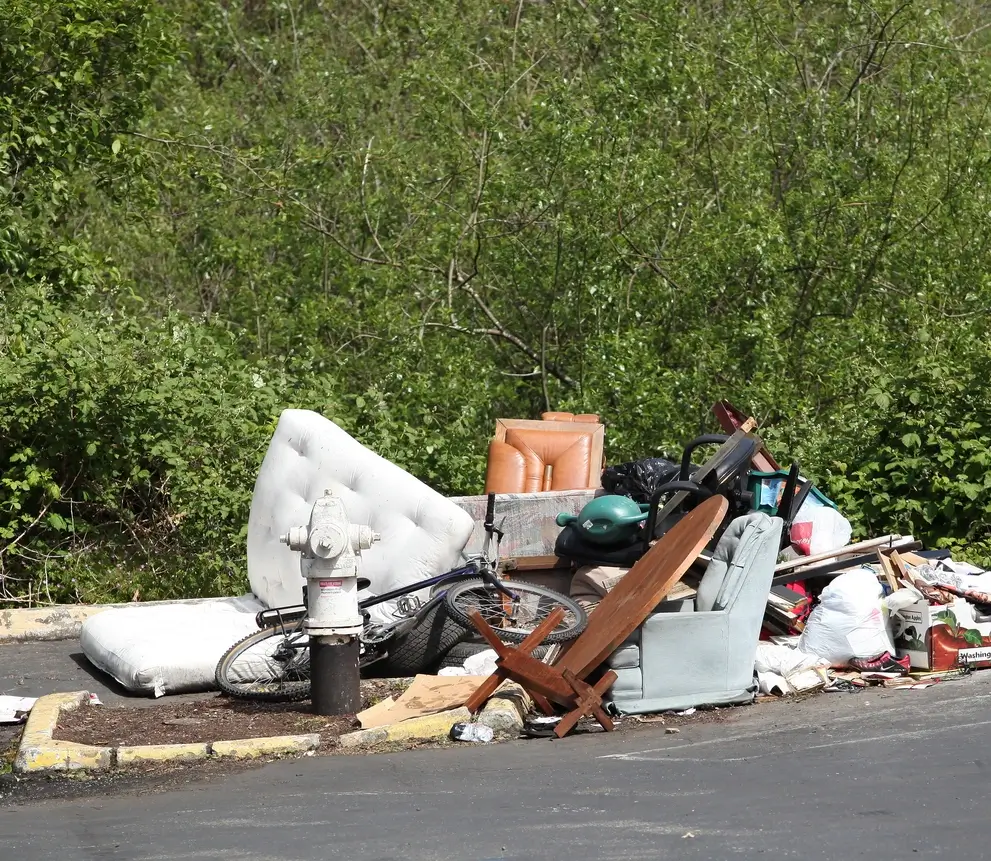
Many customers arrange a skip when they are clearing an entire room, tackling a garage or removing stored items from a loft. Those jobs often generate a varied mix of waste, including broken household goods, packaging, old fittings and general clutter that does not suit small vehicle loads. A skip offers a single container for sorting and loading as the work progresses, which can be especially useful when items are bulky or awkward to carry repeatedly.
For home-based projects, the service can be combined with other relevant disposal pages depending on the type of material involved. House clearance is useful where a property needs a fuller clear-out, while garage and loft clearance better reflects concentrated storage-space tidy-ups. Items such as worn bedding or soft furnishings may need a more specific route, which is where mattress and sofa disposal can help separate those pieces from general waste.
If you are preparing a household load, it helps to keep the contents broadly sorted as you work. Grouping similar items together makes loading easier, especially when the waste includes mixed materials with different weights. A short list of what is going in can also help identify whether any items need special handling. For practical guidance, it is usually best to check the waste type before filling the container rather than discovering restrictions after the job is underway.
Waste from building, demolition and site work
Building work creates waste that is often heavier, dustier and more demanding to handle than ordinary domestic refuse. Broken masonry, timber offcuts, plasterboard, packaging and general strip-out material all need a disposal method that keeps the site manageable. Skip hire supports that process by giving trades and property owners a dedicated place for the waste as it is produced, which can reduce clutter around working areas and support safer movement on site.
Where the job is mainly construction-related, builders waste removal, construction waste clearance and demolition waste removal each describe different stages of the same broad need: removing debris from active work. Some projects may also suit site clearance before new work starts, particularly when a plot or yard needs to be cleared of leftover material, mixed waste or small obstructions.
Access and loading matter on building jobs, so the chosen service should reflect how materials are being moved. A skip placed in the right position can reduce double-handling, while a more flexible collection arrangement may suit locations with tighter access. For heavier inert waste, it is wise to consider how the material will be stacked and whether separate containers or phased collections would make the work easier to manage.
Garden waste and outdoor projects

Outdoor work can generate more waste than expected, especially when borders are being cut back, sheds are being dismantled or hard landscaping is being replaced. Soil, branches, turf, old fencing, broken slabs and general garden debris often build up quickly, and a skip can keep the area clear while the task is underway. That makes it easier to progress from one section of the garden to the next without creating a pile of material that slows the work down.
For greener, plant-based waste streams, garden waste removal is a useful option, while mixed outdoor and household waste may still be better handled through general skip hire. Larger bulk loads that are awkward to wheel or carry can sometimes be better served by grab hire services, especially where material has been stacked loosely or needs lifting from ground level rather than hand-loaded into a container.
When planning outdoor clearance, the main practical question is how quickly the waste will be created and whether the project will generate compactable or bulky material. Branches and light cuttings can often be stacked efficiently, whereas broken paving or damp soil may require more careful loading. It is usually worth deciding early whether you need one container for the whole job or a separate route for recyclable material and heavier spoil.
Business premises and workplace waste
Commercial customers often need a service that fits around trading hours, refurbishment schedules or ongoing maintenance. Offices, retail units, workshops and managed properties can all generate waste that needs to be removed without interrupting the site more than necessary. Skip hire can support planned clearances, redecoration and fit-out work, while offering a simple way to keep rubbish in one place until collection.
Where the focus is on business premises, office clearance is relevant for desk moves, storage changes and general workplace decluttering. For recurring or larger-scale activity, commercial skip hire provides a broader route for handling waste from regular operations, and same day skip hire may be useful where timing is important and the job needs prompt organisation.
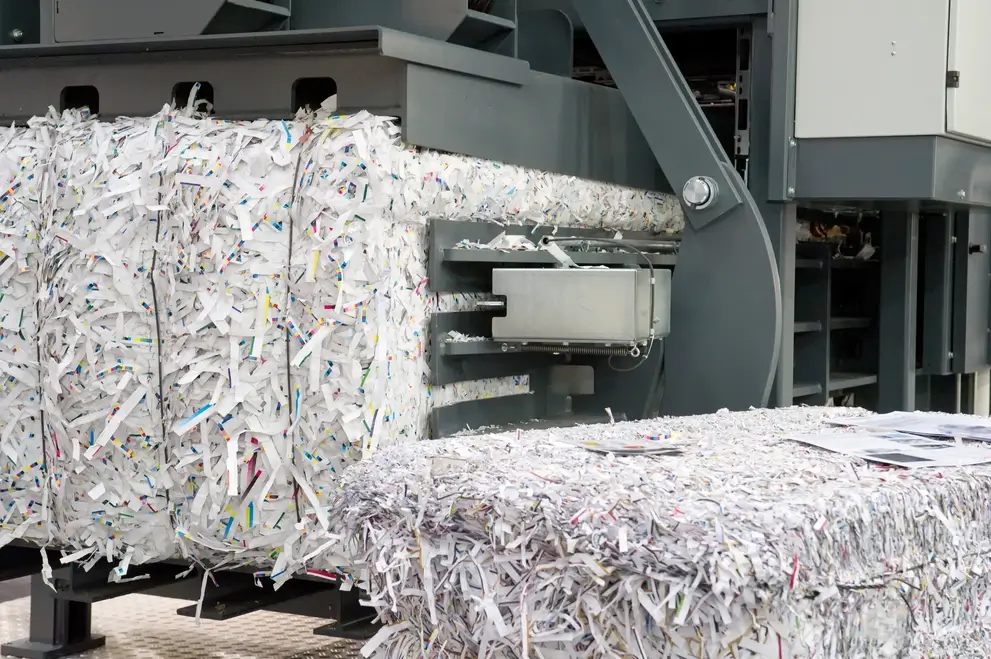
Commercial waste planning often benefits from a simple structure: identify the material, estimate how much will be created, and decide whether the site has space for a container or would be better served by another collection method. If the waste includes confidential papers, appliances or specialist items, it may need a separate disposal path rather than being mixed into a general load. That is why a brief review of the project type before ordering can save confusion later.
Waste streams, recycling and special handling

Not every waste stream is suitable for the same container or disposal route. Some materials can be handled within a standard mixed load, while others call for a more specific approach because of their size, condition or regulatory treatment. Knowing this in advance helps customers choose a service that fits the waste rather than forcing everything into one category. It also supports cleaner, more efficient loading from the outset.
Where specialist handling is needed, the website offers dedicated pages for several common types of waste. Waste recycling services cover recovery-focused disposal, while hazardous waste disposal is relevant when materials require careful treatment and should not be placed in an ordinary skip. For kitchen appliances and similar items, fridge and appliance removal provides a more appropriate route than general mixed waste handling.
Recycling is most effective when customers separate what can be recovered from what must be disposed of as residual waste. Cardboard, timber, metals and clean inert materials may be treated differently depending on the load and the site setup. If you are uncertain about an item, the safer approach is to ask before loading it. That keeps the service practical and avoids last-minute changes to the disposal plan.
How to plan a skip order
A good skip order begins with a clear sense of the job. Think about the amount of waste likely to be generated, where the container can reasonably sit and whether access is straightforward for delivery and collection. If you are managing the work in stages, it also helps to decide whether a single skip is enough or whether the project would benefit from a sequence of loads. This is the stage where many customers decide between a skip, grab collection or another removal service.
Two practical steps usually make the process easier. First, prepare a short description of the materials involved, because that helps with matching the service and avoiding unsuitable waste. Second, if the waste is spread across several rooms or work areas, note the main sources so the order reflects the real scale of the job. You do not need a long explanation; a concise outline is often enough to request a quotation with confidence. If needed, you can also use what can go in a skip to check the basics before ordering.
Access, timing and loading pattern are often the main factors that shape a quote. A container placed at the front of a property will have different practical requirements from one used on a busy commercial site, and waste that arrives all at once is not treated in the same way as waste created over several days. Once those factors are clear, it becomes easier to ask for the right service and avoid unnecessary back-and-forth.
About Hammersmith
Hammersmith is a district in west London on the north bank of the River Thames, forming part of the London Borough of Hammersmith and Fulham. The area takes its name from the historic settlement that developed around the river crossing and the old parish church of St Paul. Over time it became an important commercial and transport centre, with roads, rail and river connections helping to shape its growth. The Broadway area remains one of its best-known focal points, and the river frontage adds a strong geographic identity that is more open and linear than the dense streets to the north. The district is closely associated with several recognisable landmarks, including Hammersmith Bridge, which links the area to Barnes across the Thames, and the Apollo theatre, a notable entertainment venue that has long formed part of the local cultural landscape. To the north and west, the street pattern mixes larger arterial routes with residential squares, period terraces and later development, creating a varied built environment. Ravenscourt Park provides one of the main green spaces nearby, while the river path offers a distinctive waterside route used by walkers and cyclists. Local life also reflects a long-standing mix of office activity, shops, schools, theatres and neighbourhood amenities, giving Hammersmith a character that is both urban and tied to the river. Its position within inner west London means it sits between central areas and outer suburban districts, which has helped it remain a practical and well-connected part of the capital.
Skip sizes, permits and practical collection choices
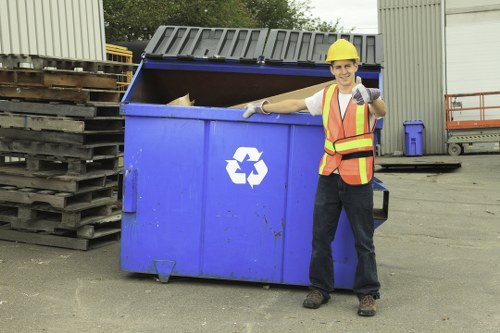
Not every job needs the same skip arrangement, and in some locations the practical question is not just size but placement and collection method. If the container cannot sit on private ground, you may need to think about permit requirements before the order is placed. In other cases, a wait-and-load arrangement can be a better fit where there is limited space, restricted parking or a need to keep the skip off the highway. These decisions are best made alongside the waste type and access conditions.
Useful supporting pages can help refine the choice. Skip permits explains the permit side of the process, while wait and load skip hire suits customers who need a quicker turnover without leaving a container in place. Where the waste is heavier or more dispersed, grab lorry hire may provide a more efficient alternative, particularly for spoil, hardcore or material that has been piled ready for collection.
If you are ready to move ahead, the simplest next step is to ask for a quotation with a short description of the waste and the access available. For clear pricing details, pricing and quotes gives you a direct route to the information you need, and you can then request a quote using the option that suits the job best. Tell us what needs removing, and we can help you choose the most practical disposal route.